
Odyssey: Cinema, Colonialism and the Myths We Deny
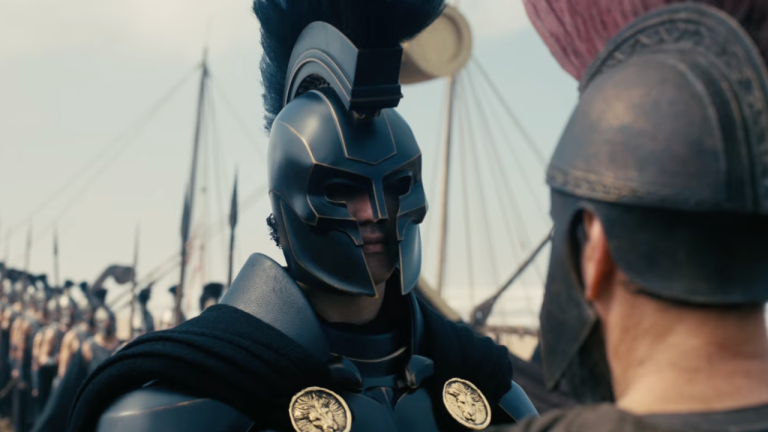
Over the weekend, I went to the cinema to watch The Odyssey. What you are about to read is a reflection from the point of view of a Nigerian filmmaker, so forgive me if you disagree with some of what I say. My arrival exposed me to something disgraceful. Despite it being a Saturday, I was the only person watching The Odyssey on the 2:45pm showing at Genesis Cinema, Awka, Anambra state. On Saturday, a day that should be peak hours for attendance, I sat there alone with my pop corn and water.
Christopher Nolan’s form of technical filmmaking is not something anyone can compare. Growing up, apart from a few Nigerian filmmakers I looked up to, Nolan and Steven Spielberg shaped how I think about filmmaking globally. There attention to detail and storytelling, is unique and most times I feel we are just living in their worlds. Nolan shot this film across 6 countries, Greece, Italy, Morocco, Iceland, Scotland, and Malta, over a 91 day shoot, using real coastlines, real caves, real deserts. They did not build sets.
As a Nigerian filmmaker, forgive me, this is where the jealousy gets me. I thought about Ilashe private beach. If you have watched the film, think about the scenes where the Trojan horse is on the beach, offered to Poseidon and then taken into Troy by the Trojans
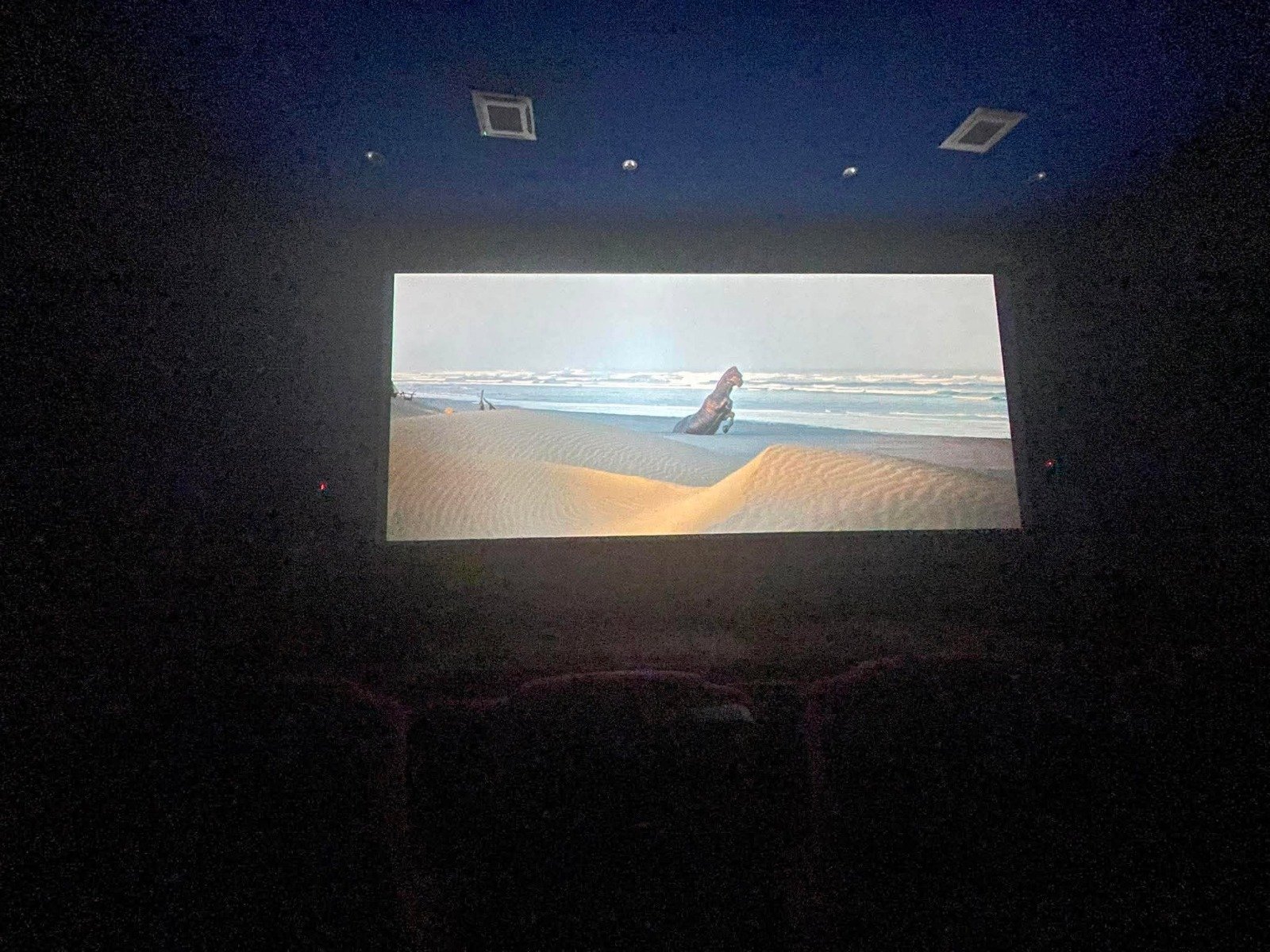
It was filmed on Essaouira Beach on Morocco’s Atlantic coast. I imagined it filmed at Ilashe for the wide cinematic shots of the beach and Trojan Horse and then Tarkwa Bay for dialogue and action scenes because it’s easier to manage. Good lord!
I also thought about Ogbunike Cave in Anambra State, a network of tunnels carved into ancient sandstone, hidden inside a rainforest, reached by 317 steps descending into a valley. Locals believe the deity Ogba still lives inside it. It sheltered our people from slave raiders during the slave trade, and again during the Nigerian Civil War, when hundreds hid there to survive. The main chamber opens into 10 tunnels, some connecting to underground rivers running for kilometres
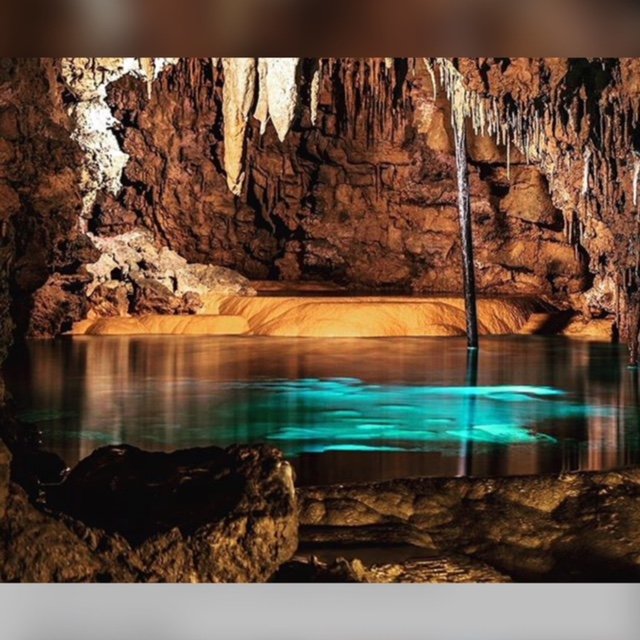
Imagine Nolan’s giant cattle scenes filmed at the mouth of that cave instead of in Morocco, or his underworld sequence, blood poured out to summon the dead, staged inside those same tunnels our own ancestors once used to escape death themselves. That location would not need dressing up. There is a business reason to feel this jealousy too. Over 2/3 of travellers, some studies now say closer to 80%, choose where to travel because of something they saw on screen.
New Zealand became a global destination almost entirely because of Lord of the Rings, and more than two decades later, roughly one in five visitors still cite those films as their reason for going. A production of this scale filming at Ogbunike, or any of the caves scattered across this country, could have done the same for how the world sees Nigeria.
On the costuming, I will give it to the team. Nolan’s team researched Bronze Age Greece down to how fabric and armour would age naturally across a 10 year journey, and the actors themselves were aged believably across that same decade.
See, ehn, this film pulls you out of pure imagination and roots you in something that feels physically real, and the attention to detail is exactly what separates a good production from a great one. I want to make an important point about the underworld sequence. Odysseus sails to the edge of the world to consult the blind prophet Tiresias.
To summon the dead, he sacrifices two animals and pours their blood into a trench, because the spirits can only speak after drinking it. Ghosts rise from the ground, desperate for that blood, including men who died under his own command. It is genuinely unsettling, blood sacrifice, spirits of the dead speaking to the living, ancestral communication presented as real within the story.
Now think about how the same beliefs are received when they feature in Nigerian stories. The moment a Nigerian film shows a masquerade as an ancestor returning, or a sacrifice made to appease the dead, a large section of the audience, including our own people, calls it “demonic”, “backward”, “too dark for entertainment”.
But when Nolan stages the exact same idea, blood poured out so the dead can speak, it is called mythic, poetic, a master class in world building. This sits underneath everything else I have said here, even though it is not my main point. The same colonial forces that once demonised our belief systems, that stood over our ancestors and preached against pouring libations, against consulting the dead, against our own rituals, calling all of it primitive, have no difficulty presenting those same ideas as high art the moment they package it as Greek mythology.
I am not saying this to take anything away from Nolan’s craft. The film is a genuine master class in ambition, and I respect it. But as a Nigerian filmmaker, I could not help noticing how differently the same ideas are received when they wear Nigerian names like Amadioha, Ogun and the likes instead of Greek ones (Zeus, Thor).
Editor’s Note: have you seen The Odyssey? If yes, please share your thoughts on the film in the comments section. And if you have any reaction to this piece, do share it as well.
I have watched the film. I share same sentiments with Ben about Nigeria and their perception of sacrifices in movies. And I love his take on parallel locations for iconic scenes in the movie. Well done Benneth Nwankwo.